
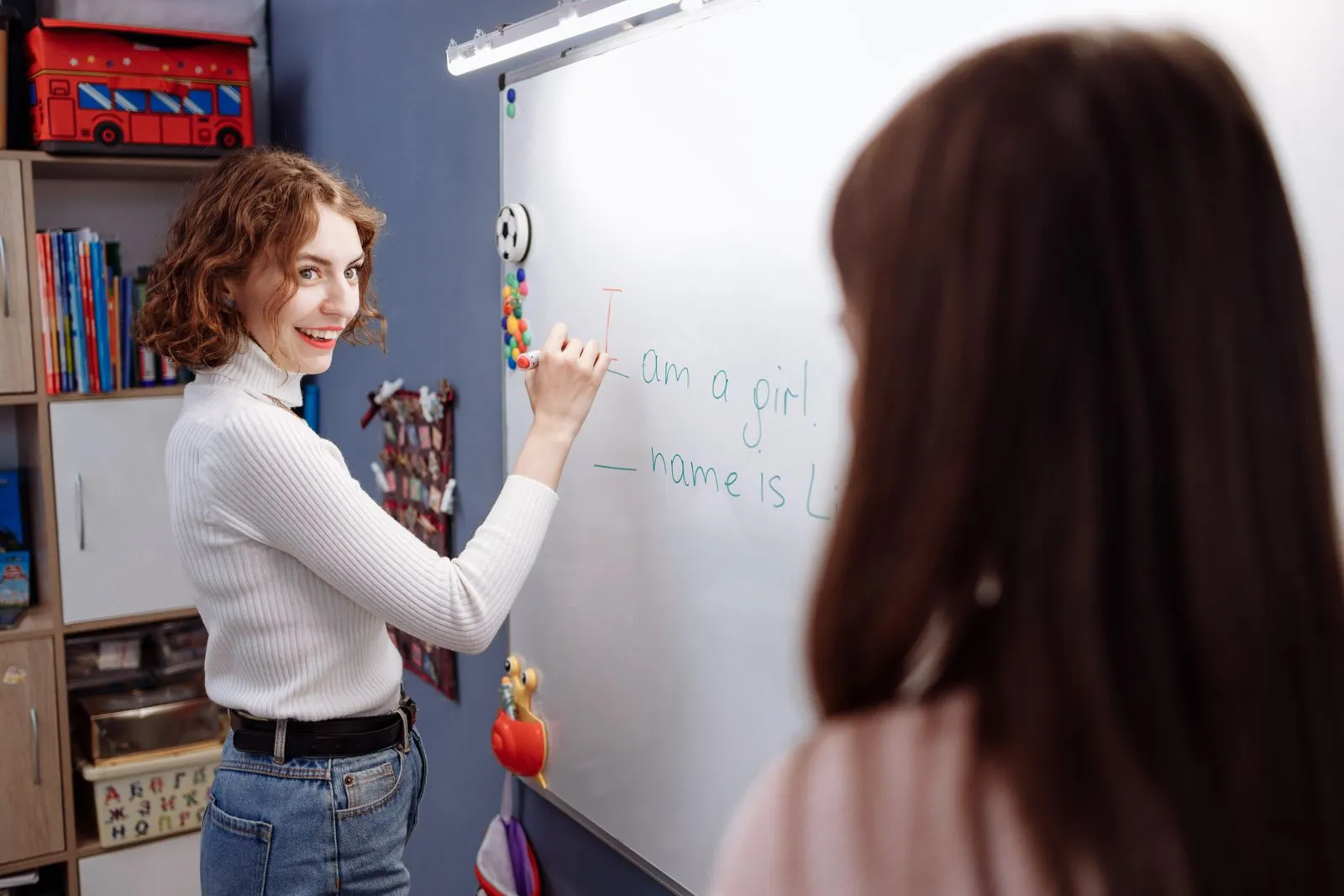
Your first language class is a chance to see how lessons work and help your teacher understand what you want to learn. You may practice speaking, listening, reading, or writing, depending on your level and goals. You do not need to arrive with perfect grammar or a long list of supplies. A little preparation can help you feel more comfortable and make the class more useful from the start.
How a First Lesson May Work
A teacher may begin by asking about languages you know, your experience with the new language, and situations where you want to use it. You might do a short conversation or a few simple activities to help identify your current level. Treat these as a starting point, not a test you need to pass.
After that, expect a mix of explanation and practice. You could learn useful phrases, listen to a short exchange, or try a guided conversation. Your teacher may correct errors, offer a clearer way to say something, and invite you to try again. Ask questions whenever instructions or examples are unclear.
What to Bring
Bring a notebook and something to write with so you can record new words, examples, and questions. A folder or digital note-taking app can keep class materials together. If your school has asked you to bring a textbook or complete an online placement activity, follow those instructions.
A phone can be useful for checking class details or accessing approved learning materials, but silence notifications so they do not interrupt practice. You usually do not need to buy extra books or equipment before your first meeting. Check with the school if you are unsure whether materials will be provided.
Share Your Learning Goals
Be specific about what you hope to do with the language. For example, you may want to speak with relatives, handle travel conversations, communicate with customers, or read everyday messages. Mention situations that feel difficult now, such as understanding fast speech or finding the right words during a conversation.
Also tell your teacher how much time you can realistically spend studying between lessons and what kinds of practice you enjoy. If you have a deadline or a preferred learning pace, say so. Your goals can change, and your teacher can adjust activities as you gain confidence or discover new priorities.
Make the Most of Class
Take part even when you are unsure of an answer. Trying a phrase aloud gives you and your teacher something concrete to work with. If you lose track of a conversation, ask for a repeat, a slower explanation, or an example. Those requests help keep practice at a useful level.
Before class ends, note one thing you learned and one question you still have. Ask what to review before the next lesson and how to practice it in a short, manageable way. After class, look over your notes while the activities are still familiar, and bring any questions back to your teacher.
Your first language class is an opportunity to try the lesson format, ask questions, and set a clear direction for your learning. Bring a few basic supplies, share the situations you want to handle, and give yourself room to make mistakes. Miami Language House can help you explore class options and find a starting point that fits your goals.